Insights for the beautiful game
Tips, guides and insights for grassroots coaches, club managers, and football academies.
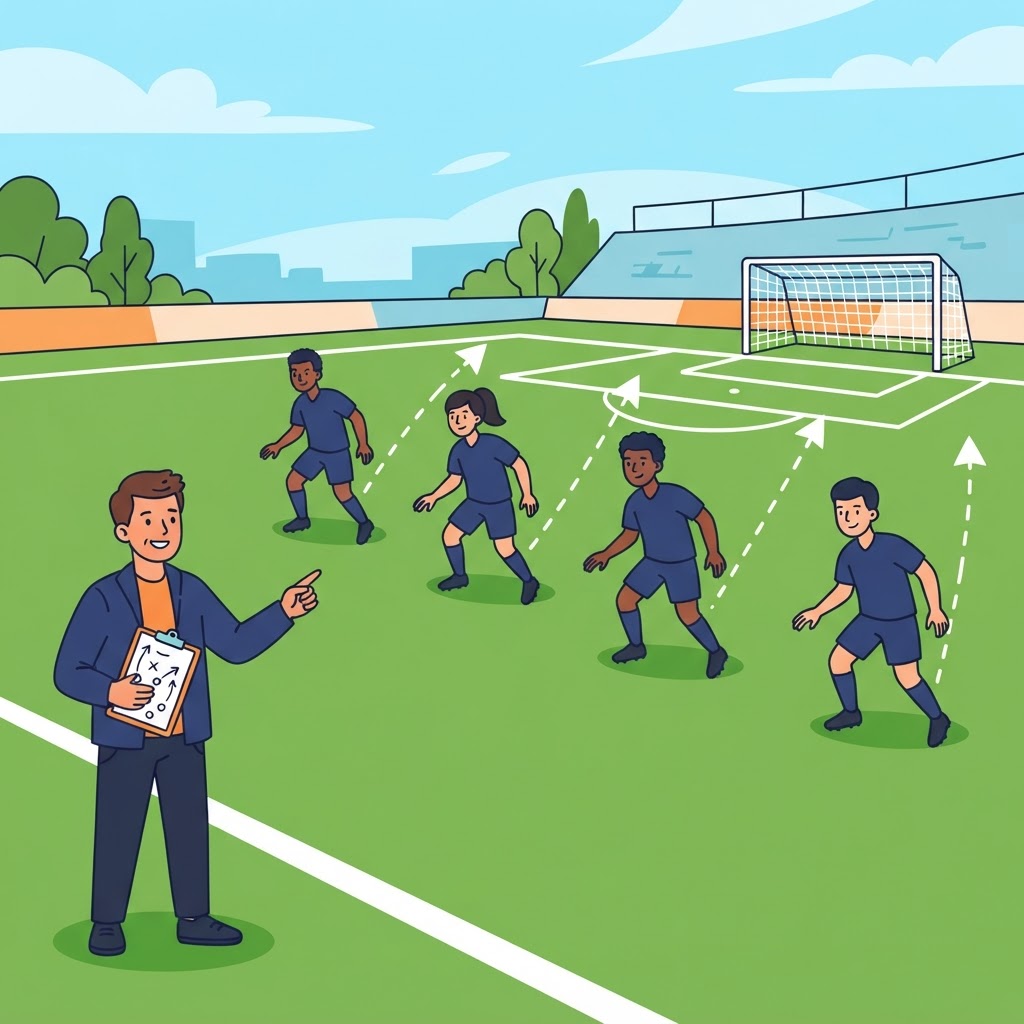
Coaching the Back Four: A Four-Week Progression from Technique to Game
A four-week progression for coaching the back four: shape without opposition, defending 4v3, adding the full picture, and finishing in game context. One habit at a time.

The Practical Interview: Coaching a Session While They Watch
The practical coaching interview — what assessors actually look for, how to pick your demo topic, a 15-minute structure that works, and the questions that follow.

Building a Coaching CV That Gets Read
Your coaching CV gets 30 seconds. Here's the structure that survives a shortlister's scan — how to turn badges and volunteering into concrete numbers that get you interviewed.

How to Land Your First Paid Coaching Role in English Football
The realistic route from volunteering to your first paid coaching job in English football — where the jobs actually are, what clubs screen for, and how to turn your sessions into a portfolio that gets you hired.

How to Run a Grassroots Pre-Season (Week by Week)
A practical, week-by-week guide to running a grassroots pre-season.

The Player Development Myth: Why Winning Isn't Enough
Every grassroots coach wants their players to develop. But most development decisions are made to win this weekend, not to grow the player across a season.
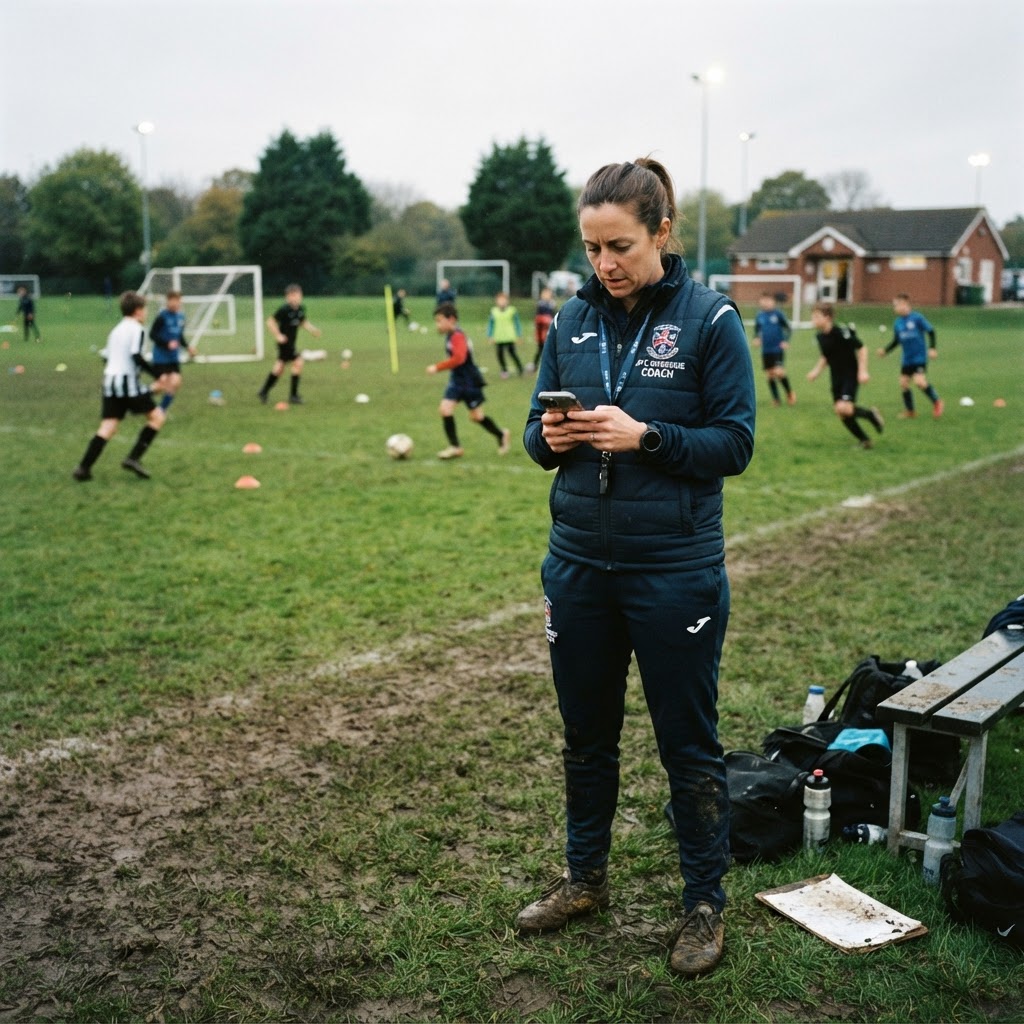
Football Club Hub Is Now on Google Play
The FCH app is now available on Android via Google Play. Manage your squad, plan sessions, and track your season — all from your phone.

Matchday Is More Than a Game: How to Make It Count for Every Player
Players remember how the game felt, not just the score. Here's how to make matchday inspirational — before kick-off, during the game, and after the final whistle.

Why the Best Youth Teams Develop Players at Home — Not Import Them
Recruiting talent from other clubs feels like progress. But the youth teams that produce the best long-term players are the ones who develop what they have.
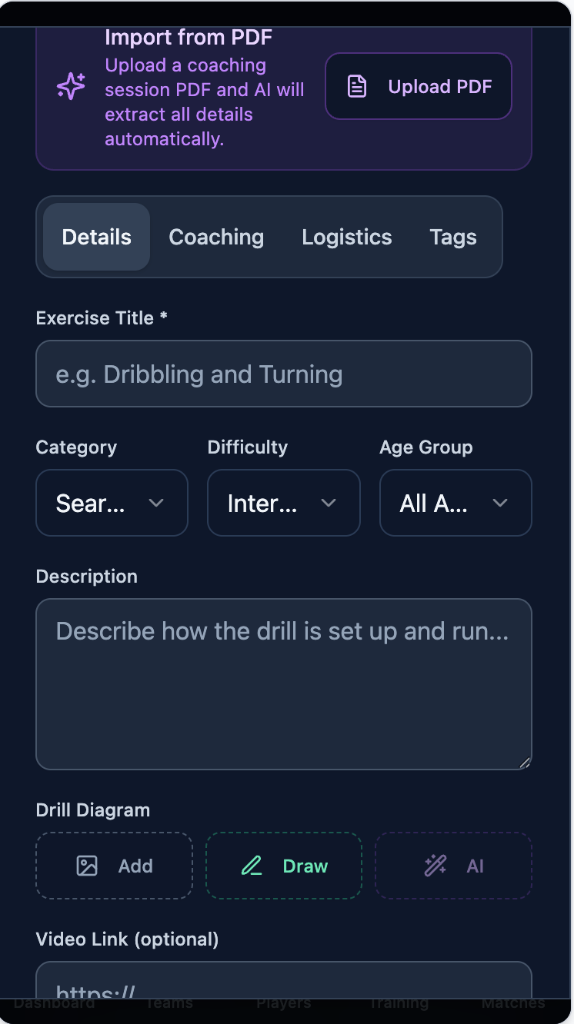
What Coaches Are Saying About Football Club Hub
Real feedback from grassroots coaches and club managers who are using Football Club Hub to spend less time on admin and more time on football.

The Coach Who Stays Wins: Why Continuity in the Dugout Produces Better Players
Player development isn't about tactics. It's about trust, repetition, and time with the same adult.

The Tactics Board Moment: Why Grassroots Coaches Don't Need Better Tactics
The tactics board isn't the problem. Here's what actually makes the difference between teams that develop players and teams that just show up.
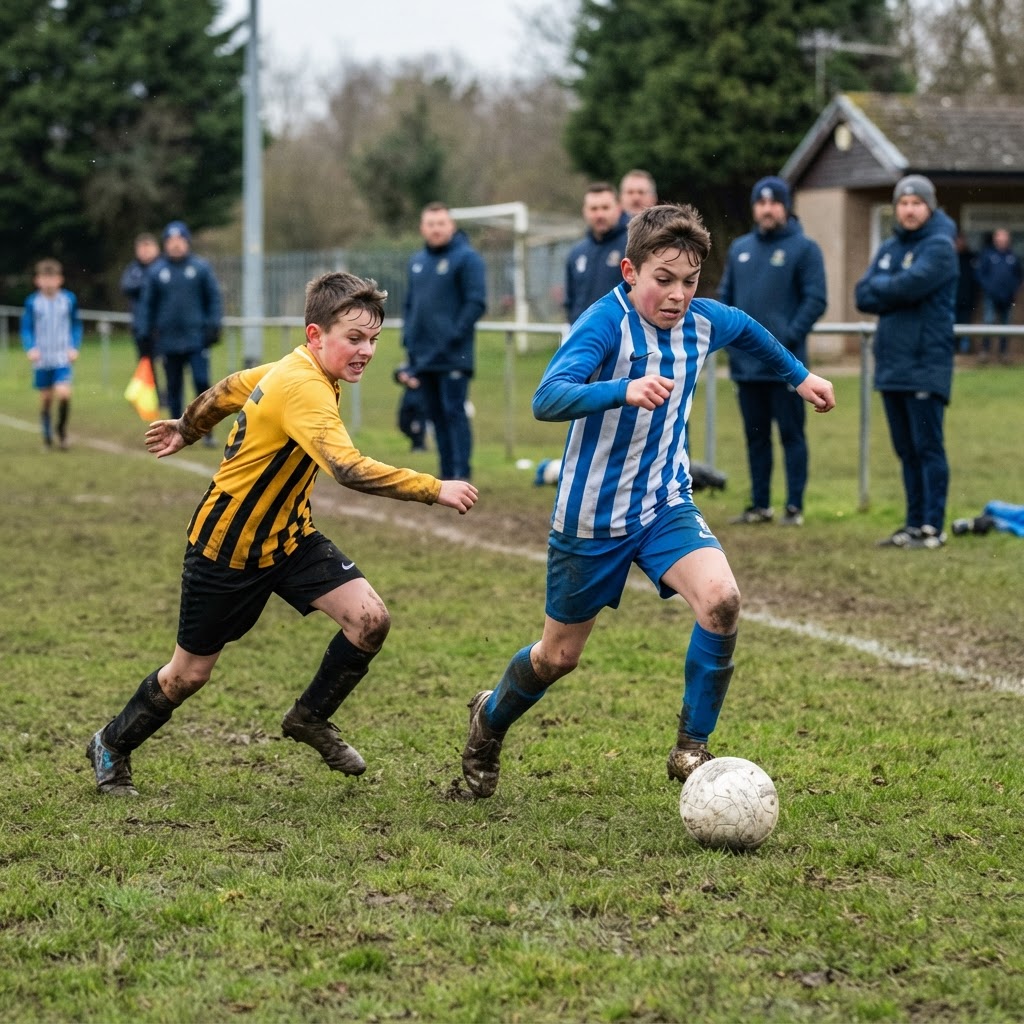
40 Matches a Year: Why Competitive Experience Is the Most Underrated Development Tool
At the FIFA U-17 World Cup Qatar 2025, semi-finalists played an average of 40 club matches per year. Group-stage exits played 32. Eight extra competitive games per year — and the difference they make is enormous.
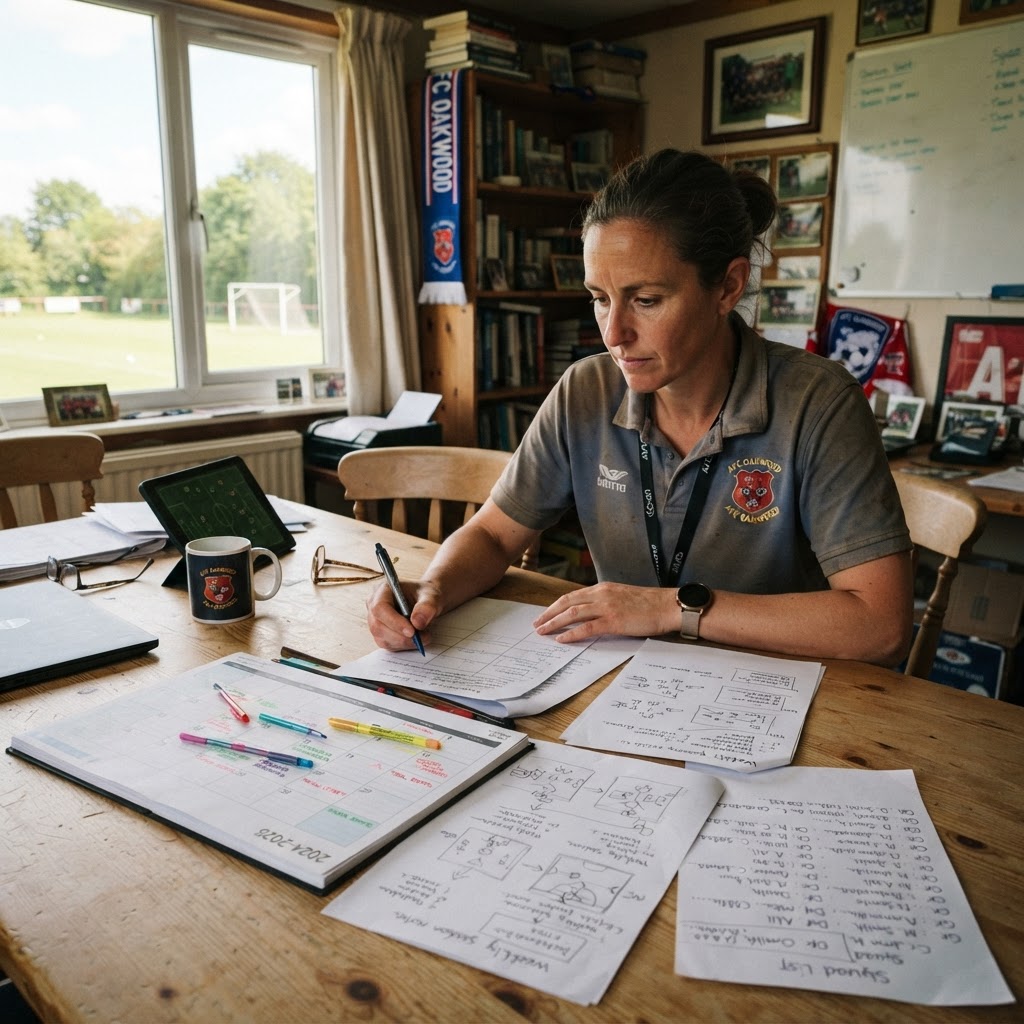
How to Build a Pre-Season That Actually Develops Players
Most grassroots pre-seasons are three weeks of fitness work and a couple of friendlies. Here's how to do it properly.
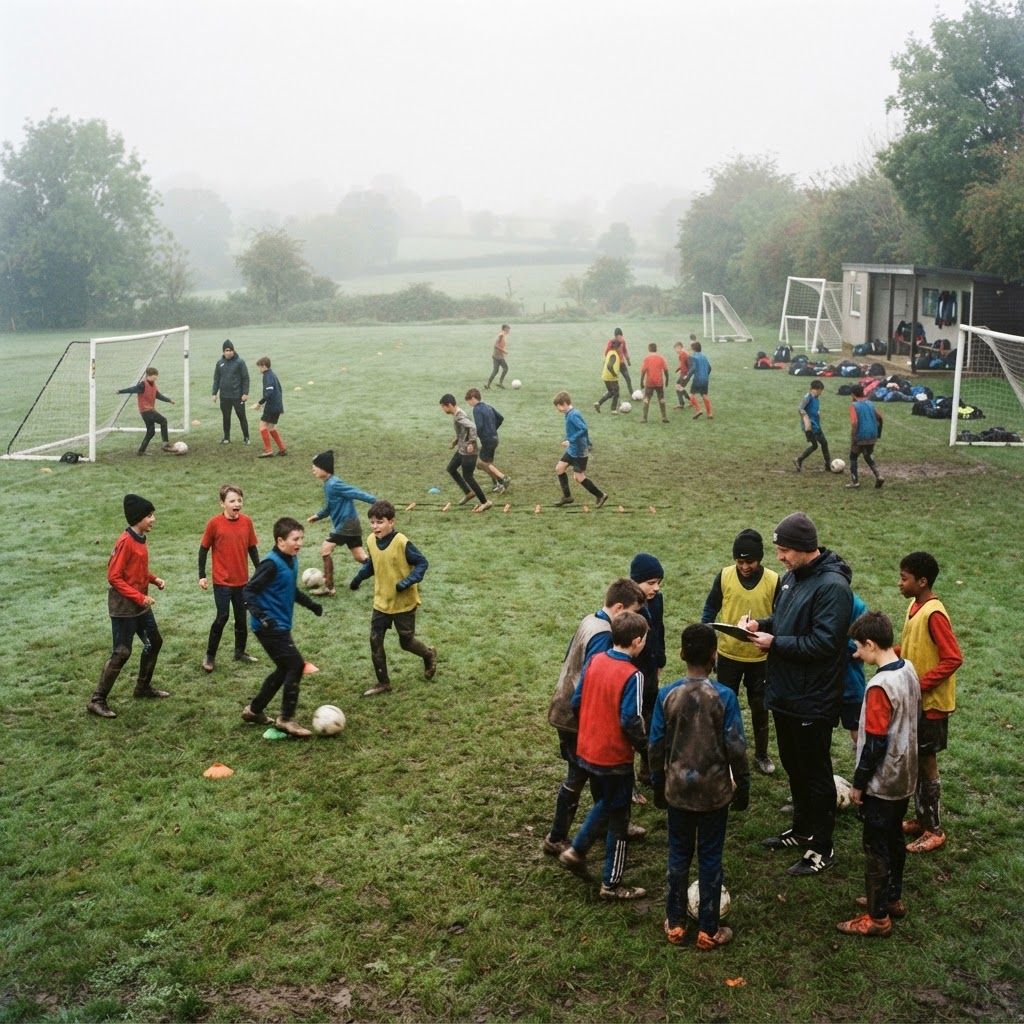
228 Sessions: The Training Volume That Separates Good Youth Teams from Great Ones
Semi-finalists at the FIFA U-17 World Cup Qatar 2025 trained an average of 228 sessions per year. Group-stage exits managed 180. That 48-session gap is the widest FIFA has ever recorded in its TDS research.

228 vs 180: The Training Frequency Gap That Separates Elite Youth Teams
FIFA data from the U-17 World Cup shows semi-finalists trained 48 more sessions per year than group-stage exits.

The Admin Nightmare: How Grassroots Coaches Lose Hours Every Week
Four spreadsheets. Three WhatsApp groups. A printed sheet from 2023. This is how most grassroots clubs are run — and there's a much better way.

Squad Stability Wins Tournaments: What FIFA's U-17 World Cup Data Tells Every Grassroots Club
The semi-finalists at the FIFA U-17 World Cup Qatar 2025 changed only 23.8% of their squad. Squad stability is a competitive advantage.
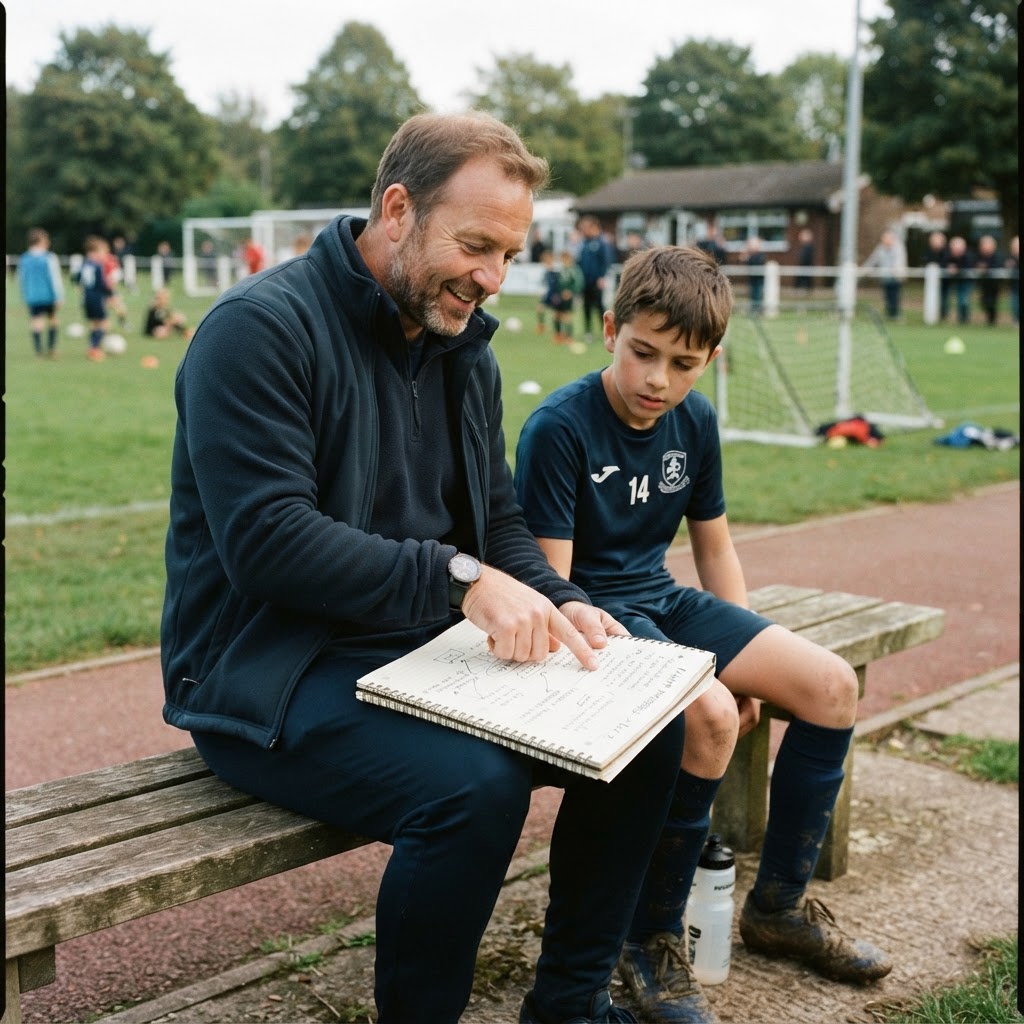
Individual Development Plans: The Tool That Separates Good Clubs from Great Ones
50% of semi-finalists at the FIFA U-17 Women's World Cup 2025 had individual development plans for their players. Among group-stage exits, only 17% did. This single tool is the biggest differentiator in the data.

The One Thing That Makes Grassroots Coaches Great: Communication
Tactics win games. Communication wins seasons.

The Relative Age Effect: The Hidden Bias in Youth Football Your Club Needs to Know About
At the FIFA U-17 Women's World Cup 2025, 56% of players were born in Q1 or Q2. The Relative Age Effect is real, it's significant — and it's costing grassroots clubs their best future players.
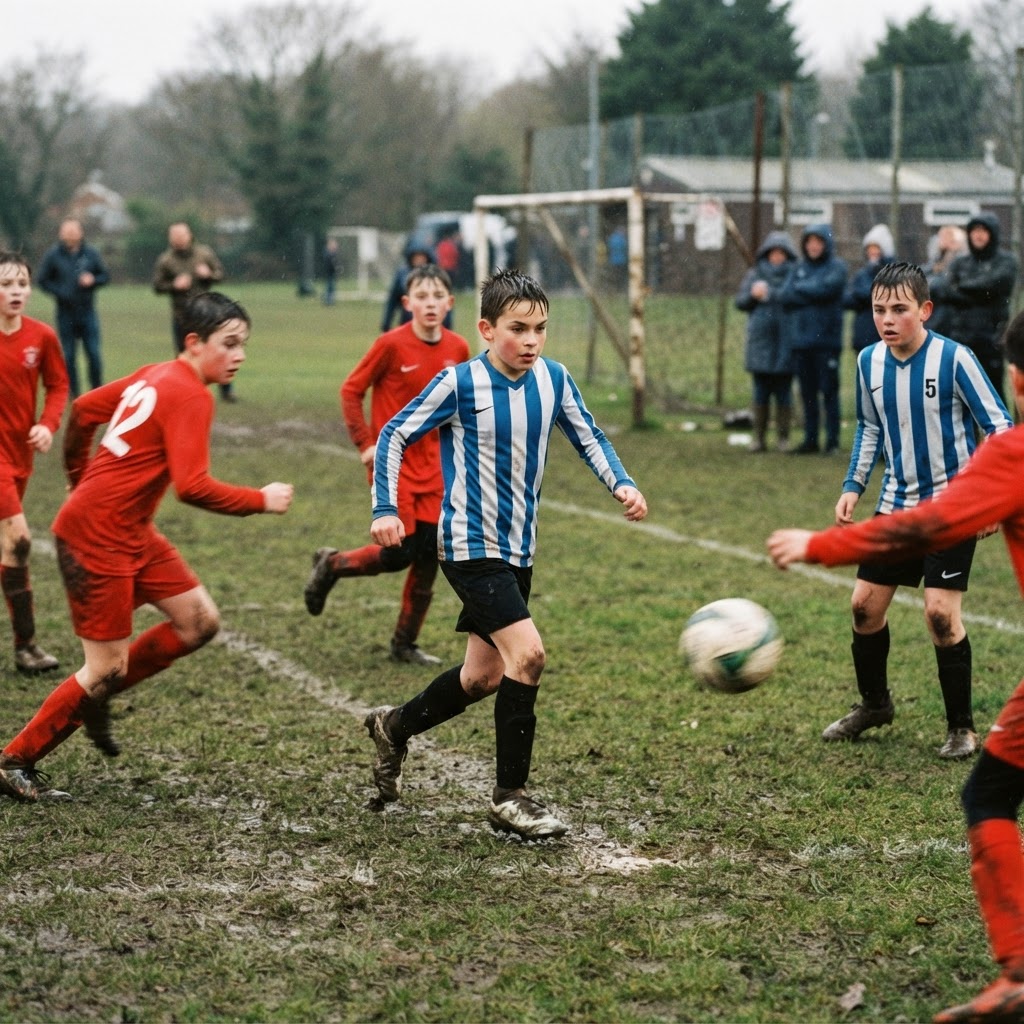
Why Playing Time Matters More Than You Think in Youth Development
Semi-finalists at the FIFA U-17 Women's World Cup 2025 played 34 club matches per year. Group-stage exits played 28. That 6-game gap is the difference between a player developing fast — or stagnating.
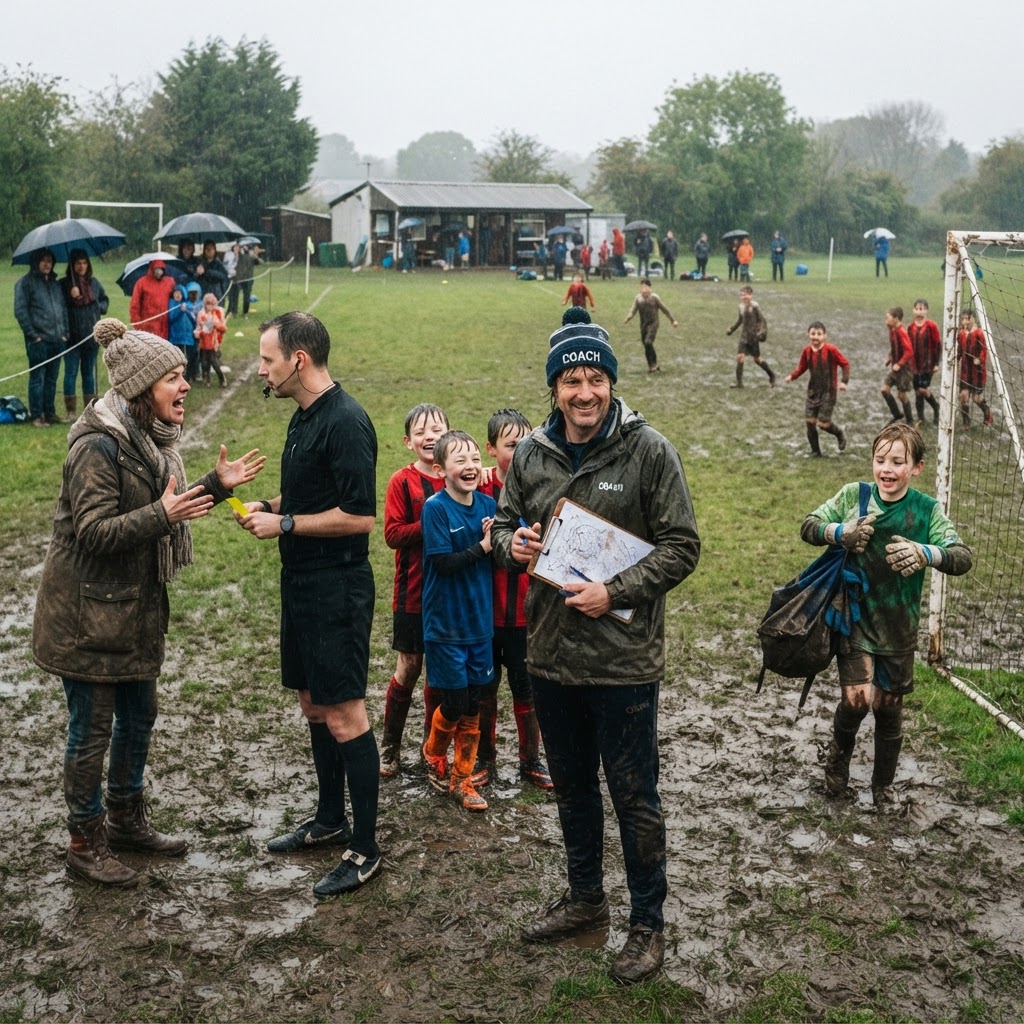
Saturday Morning Chaos: A Love Letter to Grassroots Football
Rain. Missing players. A parent explaining offside to the referee. One kid in school uniform. This is grassroots football at its most glorious — and most exhausting.

The Talent ID Secret: Why the Best Youth Teams Find Players Differently
56% of teams that made it to the round of 16 at the FIFA U-17 Women's World Cup had a defined talent identification strategy. Only 33% of group-stage exits did.

Technique vs Skill: What Grassroots Coaches Get Wrong (And Why It Matters)
Technique and skill are not the same thing. Most grassroots coaches train one and hope the other appears.

The Manager Mindset: What No One Tells You When You Take Charge
You signed up to coach football. Somewhere along the way, you became responsible for everything else too.
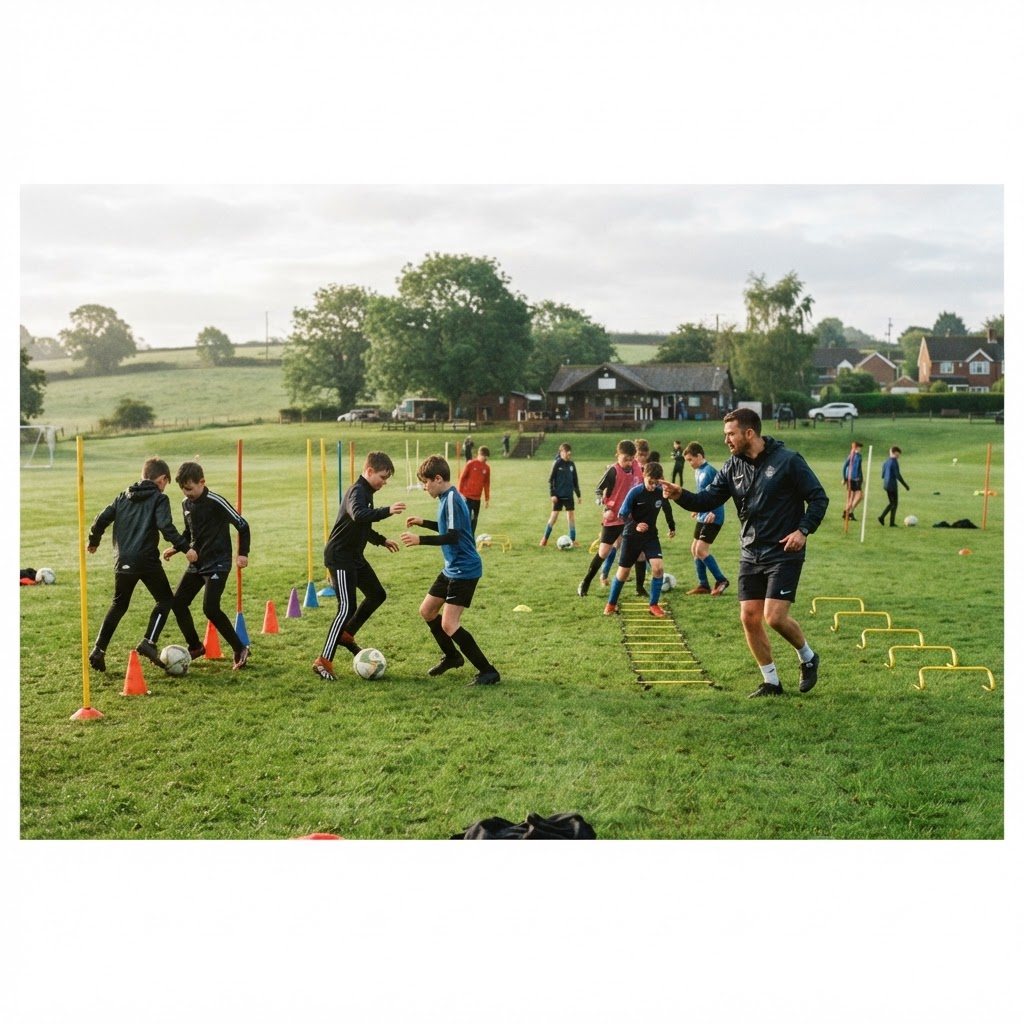
Training Sessions Win Tournaments: What FIFA's Data Tells Us About Youth Development
FIFA analysed 504 players at the U-17 Women's World Cup 2025 and found one clear pattern: the teams that made it furthest trained more.

How to Handle Club Subs Without the Awkward Conversations
Chasing subs payments is one of the most uncomfortable parts of running a grassroots club. Here's how to set up a system that makes it easier for everyone.
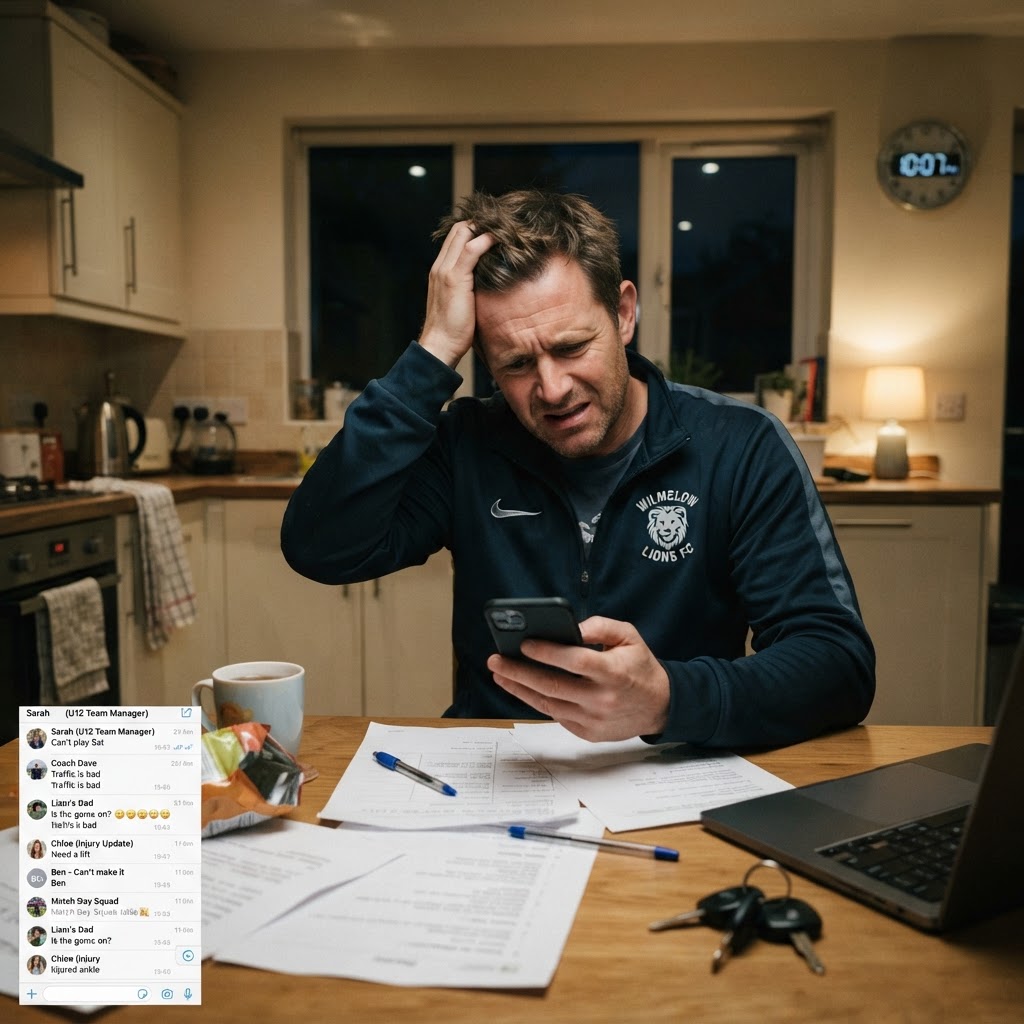
The WhatsApp Coach: Why Your Phone Is Running Your Club
47 messages. 11 maybe-confirmations. One very tired coach. Sound familiar? Here's why grassroots football and WhatsApp is a terrible combination — and what to do instead.

The Volunteer Burnout Crisis in Grassroots Football (And What Clubs Can Do About It)
Volunteer burnout is the biggest threat to grassroots football clubs. Not funding. Not pitches.

The State of Grassroots Football in England: 2026
Participation is up. Funding is tight. Technology is finally catching up. Here's where grassroots football stands heading into 2026.
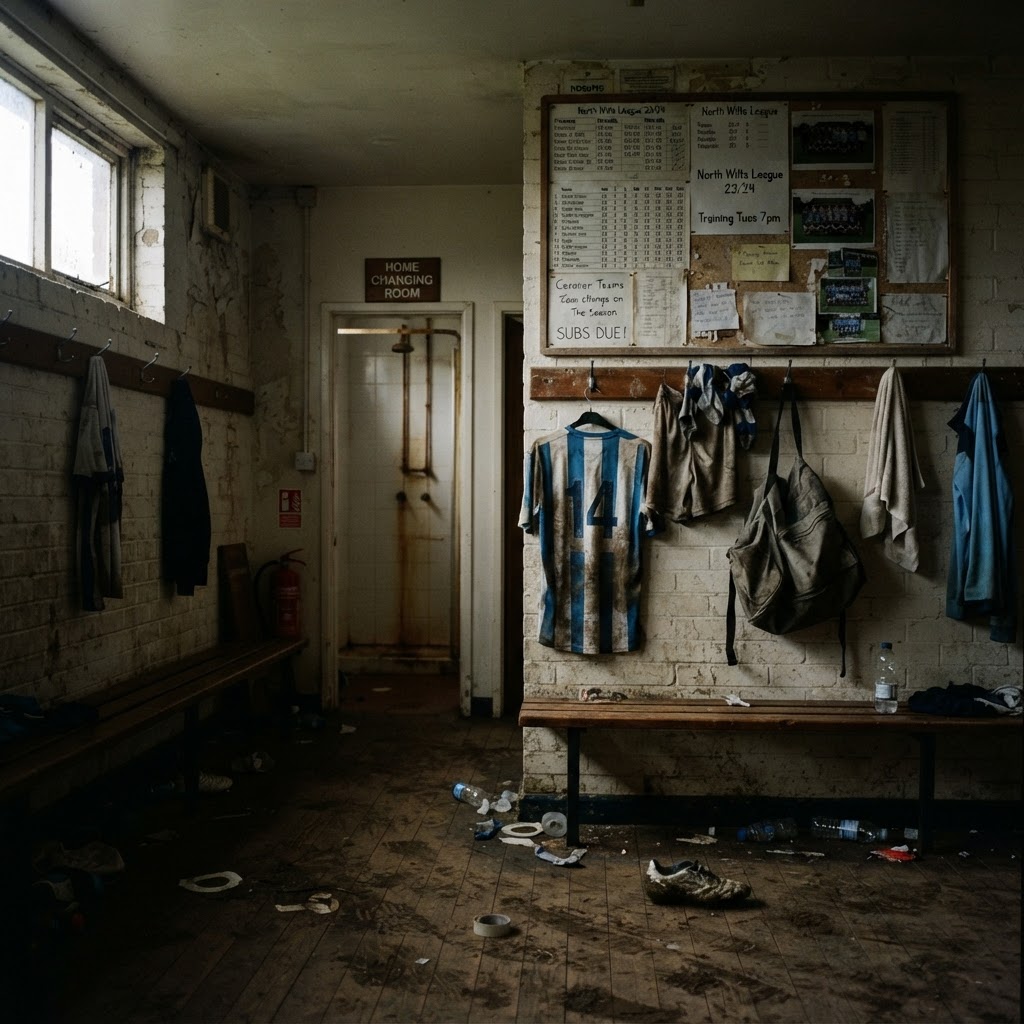
Why Grassroots Football Clubs Fail — And How to Prevent It
Most clubs don't fail because of the football. They fail because of the people management, the money, and the admin.

5 Signs Your Football Club Needs Better Software
If any of these five things are true, you're making your life harder than it needs to be.
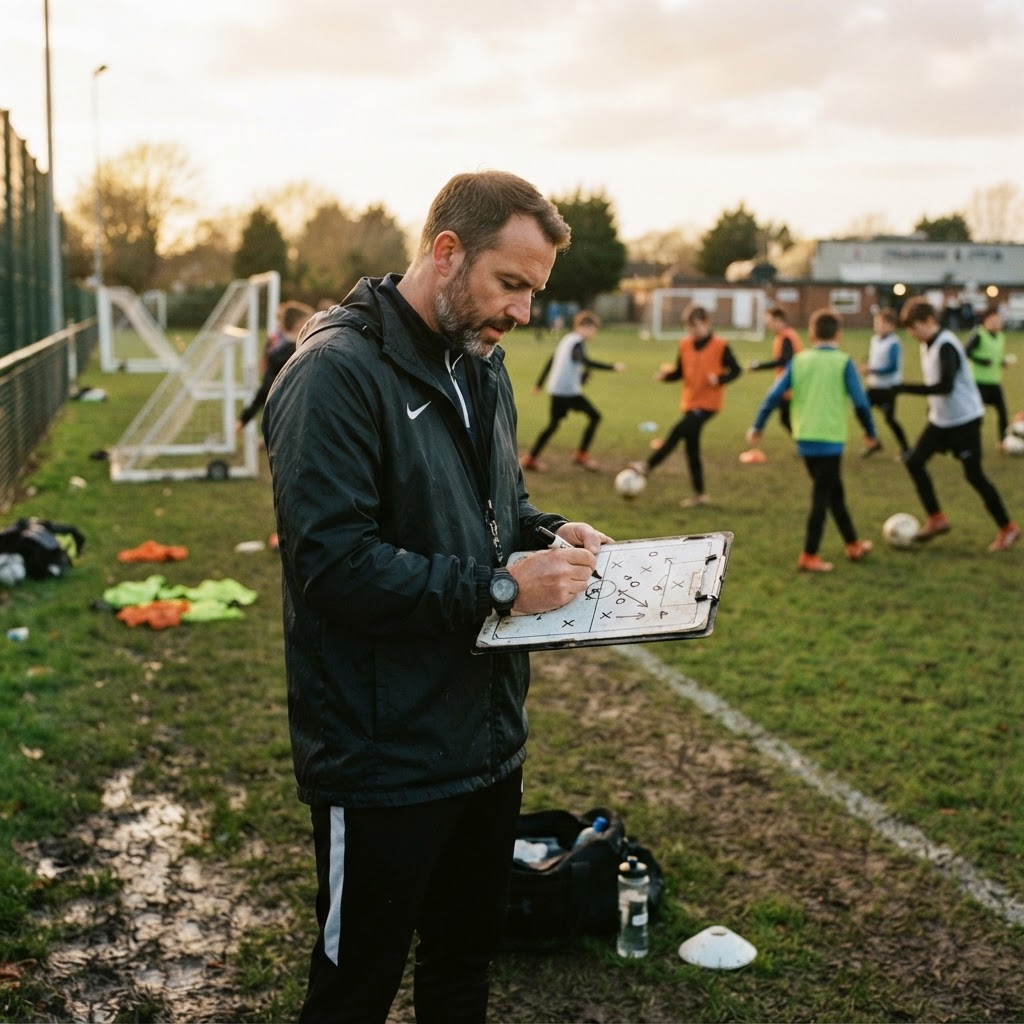
How to Plan a Better Training Session in 5 Minutes
Most coaches spend 30-45 minutes planning a session. Here's a framework — and an AI shortcut — that gets it done in 5.

The Real Cost of Running a Grassroots Club
Most grassroots club managers spend 5+ hours a week on admin. Here's what that actually costs — and what you can do about it.
See It Before You Download It: The New FCH Interactive Product Tour
We rebuilt the Football Club Hub home page with an interactive product tour — see the app's five key features in 30 seconds, no download required. Available in 5 languages.
Free to Start
Ready to spend less time on admin?
Football Club Hub is free for individual coaches. Set up your squad in 10 minutes.
Get started free